In today’s fitness world, most people focus heavily on cardio, weight loss shortcuts, or quick transformation programs. While these methods may show temporary results, they do not build a strong foundation for long-term fitness. The real foundation of a powerful, lean, and healthy body is strength training. It is the key element that shapes your physique, improves performance, and transforms your overall health in a sustainable way.
Strength training is a form of exercise that uses resistance to challenge your muscles. This resistance can come from free weights, gym machines, resistance bands, or even bodyweight movements. When you perform exercises such as squats, deadlifts, bench presses, shoulder presses, lunges, and rows, your muscles are forced to work under controlled stress. This stress creates microscopic tears in the muscle fibers. During recovery, the body repairs these fibers and makes them stronger and thicker. This natural process is what leads to muscle growth, strength development, and body transformation over time.
Unlike simple calorie-burning workouts, strength training creates structural changes in the body. It improves how your muscles function, how your joints move, and how efficiently your body performs daily activities. It is not just about appearance — it is about building a body that is strong from the inside out.
Metabolism Boost and Long-Term Fat Loss
One of the most powerful benefits of strength training is its impact on metabolism. Many people believe cardio is the best way to burn fat, but cardio only burns calories during the workout. Strength training, on the other hand, increases your resting metabolic rate, which means your body continues burning calories even after you finish exercising.
As you build more muscle, your body becomes more energy-efficient. Muscle tissue requires more energy to maintain compared to fat, so even at rest, your body burns more calories. This makes it easier to manage body weight and reduce fat naturally over time without extreme dieting.
Strength training also plays a crucial role in fat loss because it helps preserve lean muscle mass. When people lose weight without strength training, they often lose both fat and muscle. This leads to a weaker body structure and slower metabolism. By including strength training in your routine, you ensure that fat loss happens while muscle is preserved, resulting in a toned, defined, and athletic physique.

Bone Strength, Joint Health and Posture Correction
Another major advantage of strength training is its ability to improve bone density and joint health. When you lift weights or perform resistance exercises, your bones are subjected to controlled stress. This stress signals the body to increase bone density, making bones stronger and more resistant to fractures or injuries.
This is especially important as you age, because bone density naturally decreases over time. Strength training helps slow down this process and keeps your skeletal system strong and healthy.
In addition to bone health, strength training significantly improves joint stability. Strong muscles support your joints, reducing strain on ligaments and tendons. This lowers the risk of injuries and improves overall movement efficiency.
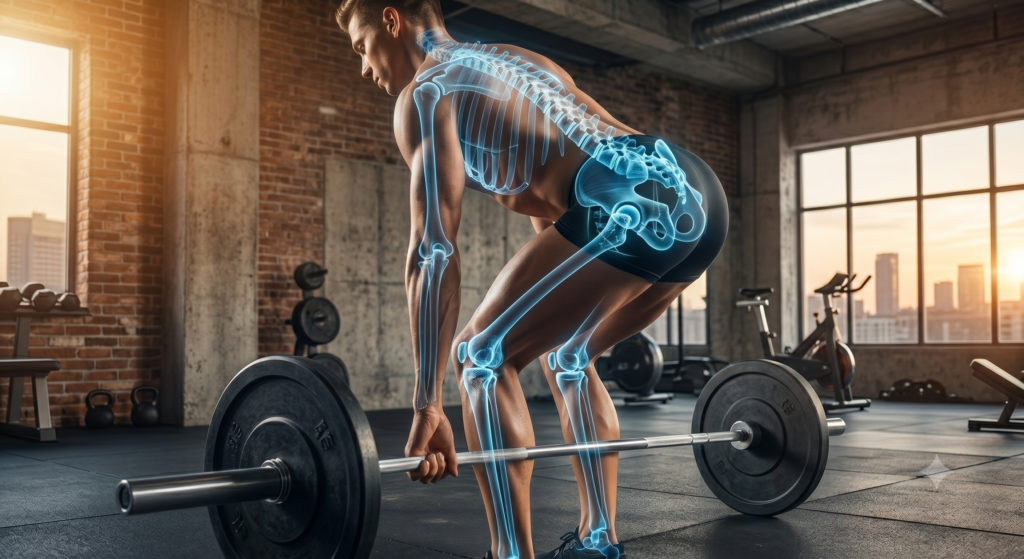
Modern lifestyles often involve long hours of sitting, which leads to poor posture, weak back muscles, and muscle imbalances. Strength training corrects these issues by strengthening the core, back, and shoulder muscles. Exercises like rows, deadlifts, planks, and shoulder presses help align the body properly, reducing back pain and improving posture over time.

Mental Strength, Discipline and Confidence
Strength training does not only transform your body — it transforms your mind. Every time you complete a challenging workout or increase your lifting capacity, you build mental resilience. This process teaches discipline, patience, and consistency.
Progress in strength training is visible and measurable. Whether it is lifting heavier weights, performing more repetitions, or improving form, every small improvement creates a sense of achievement. This builds confidence and self-belief over time.
Many people also experience reduced stress and improved mood through strength training. Physical exercise helps release endorphins, which are natural chemicals in the brain that improve mood and reduce anxiety. Over time, regular training helps create a more positive and focused mindset.
Functional Strength for Daily Life
Strength training also improves functional strength, which is the ability to perform everyday activities with ease. Simple tasks like lifting objects, climbing stairs, carrying bags, or maintaining posture become easier when your body is strong and balanced.
This functional strength improves quality of life and reduces fatigue in daily activities. It ensures that your body is not just visually fit but also practically strong and capable.
Final Summary
Strength training is the foundation of a complete fitness transformation. It improves metabolism, supports long-term fat loss, strengthens bones, corrects posture, enhances mental strength, and builds functional power for daily life.
It is not just a workout method — it is a long-term investment in your health, strength, and lifestyle.
👉 A proper fitness program must include strength training at least 3–5 times per week to achieve real and lasting transformation.